Government overhauls school food standards but new research shows pupils are already demanding healthier natural choices
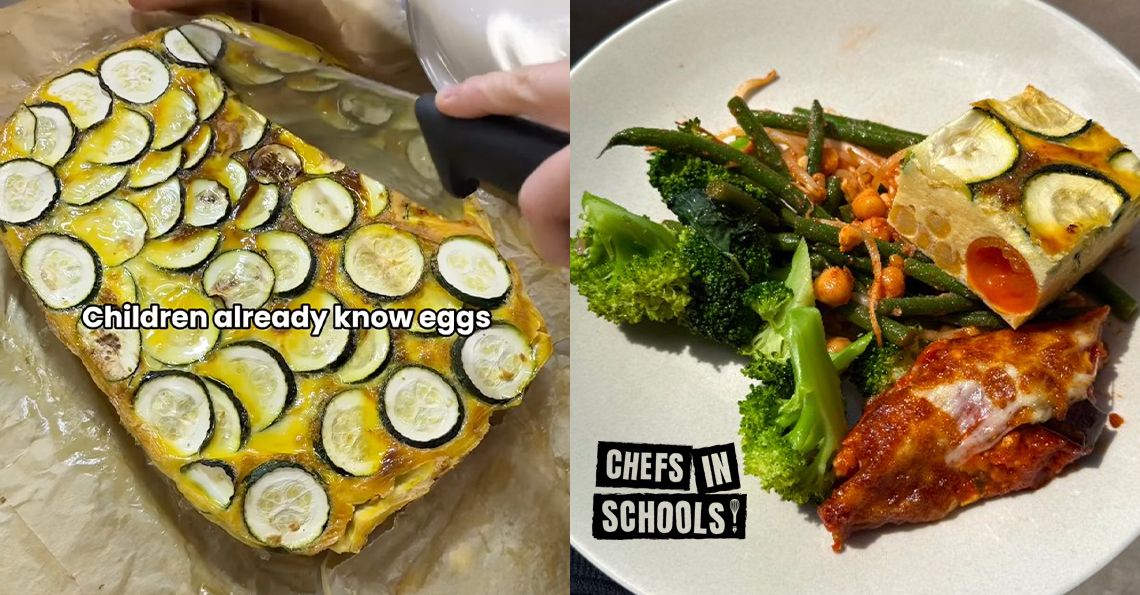
As School Food Standards are overhauled, new research reveals schoolchildren are already calling for healthier, more filling and less processed choices.
New research from British Lion eggs reveals that more than one in five parents (22%) say their child comes home from school saying they are still hungry every day, highlighting growing questions around whether all children are getting enough from school meals.
The findings come as England’s School Food Standards are updated for the first time in more than a decade, with schools tasked with providing meals that are nutritious, appealing and satisfying for pupils.
For parents, the quality of ingredients is a key consideration when it comes to school meals. More than half (51%) say fresh ingredients are a top priority, while almost a third (31%) want to see fewer processed foods. A further 38% say the most important thing is simply that their child actually eats the meal.
A significant quantity of children claim they are also driven by health considerations. A third (33%) say the fat and sugar content of school meals influences their choices, while almost a quarter (24%) consider how processed their food is. Three in ten (30%) say it is very important that school meals support their health, fitness and ability to play sport.
And with 35% of schoolchildren saying they feel their brain can work better on tasks when they aren't hungry, providing meals that are both nutritious and filling could play an important role in helping children get through the school day.
Eggs could offer a solution. Versatile, naturally nutritious and a source of high-quality protein, British Lion eggs could play a bigger role on school menus – particularly as research shows that schoolchildren themselves are asking for them.
Almost a quarter (24%) of children say they would like to see more scrambled or boiled eggs on toast on school menus, while more than one in five (22%) would be keen to see more omelettes or frittatas.
The new School Food Standards put greater emphasis on vegetables, beans and pulses alongside freshly prepared dishes that are nutritious and satisfying. Eggs are a versatile ingredient that can help school chefs deliver on these ambitions, providing a natural source of protein for vegetarian dishes and offering an alternative to more highly processed meat-free options.
Amber Francis is an ambassador for the charity Chefs in Schools, Head Chef at a state education secondary school in North London and winner of Great British Menu 2025. She comments on the findings and changes to school food: “As a school chef, it’s all about serving meals that are nutritious and filling, but that children also want to eat. Natural, whole foods are core to this - and eggs are a great example of an ingredient that is versatile, nutritious, familiar and satisfying. With the School Food Standards being updated, there’s a real opportunity to give pupils meals that keep them fuelled for the school day, while helping to build healthy eating habits for life.”
Nick Allen, Chief Executive of the British Egg Industry Council said: “The changes to school meals are an opportunity to look at what’s on the menu and champion natural British ingredients that can contribute to children’s wellbeing, while providing the energy and nutrients they need to focus, learn and thrive. Quality ingredients are key and the British Lion mark provides a clear sign of assurance on eggs, with the Food Standards Agency recognising British Lion eggs as safe to be served runny to vulnerable groups, including young children.”